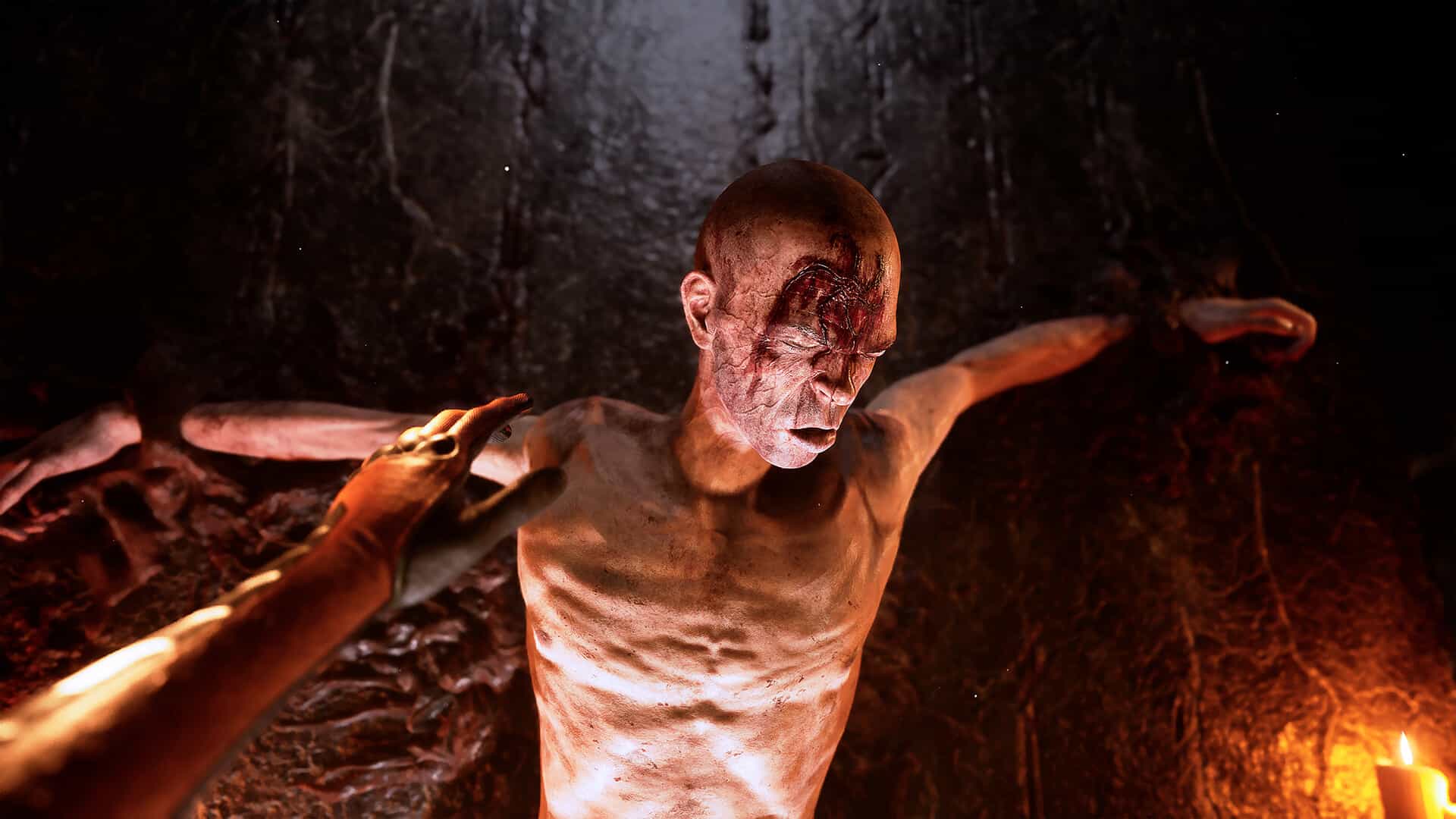
What happens when corporate greed meets an ancient, dreaming god? Set in the near-future of 2053, Cthulhu: The Cosmic Abyss trades the 1920s gothic gloom for a high-tech industrial nightmare. As an agent of the Ancile division, you must navigate the non-Euclidean ruins of R’lyeh to find a missing research team. With a "non-confrontation" policy and a sanity mechanic that threatens to unravel your mind, this is a game where knowledge is your only weapon; and your greatest threat. Arriving April 16, 2026.

The ocean has always been the ultimate canvas for the unknown. It is a place where light dies, pressure crushes, and the scale of existence feels uncomfortably large. It is no wonder that H.P. Lovecraft, the father of cosmic horror, looked at the black waves and saw something ancient and uncaring looking back.
Next month, on April 16, 2026, we are being invited back into those depths with Cthulhu: The Cosmic Abyss. Developed by Big Bad Wolf Studio and published by Nacon, this is not your grandfather’s Lovecraft story. It is not a 1920s period piece, and despite the name, it is not a direct sequel to 2018’s Call of Cthulhu. Instead, it is a high-tech, near-future descent into madness that feels startlingly relevant to our own world.
For those new to the term “Lovecraftian,” it refers to Howard Phillips Lovecraft, a writer who pioneered “cosmic horror” in the early 20th century. His central thesis was simple: the universe is vast, ancient, and populated by entities so alien and powerful that the mere sight of them would shatter a human mind. Chief among these is Cthulhu, a giant, winged, tentacled “Great Old One” dreaming in the sunken city of R’lyeh.
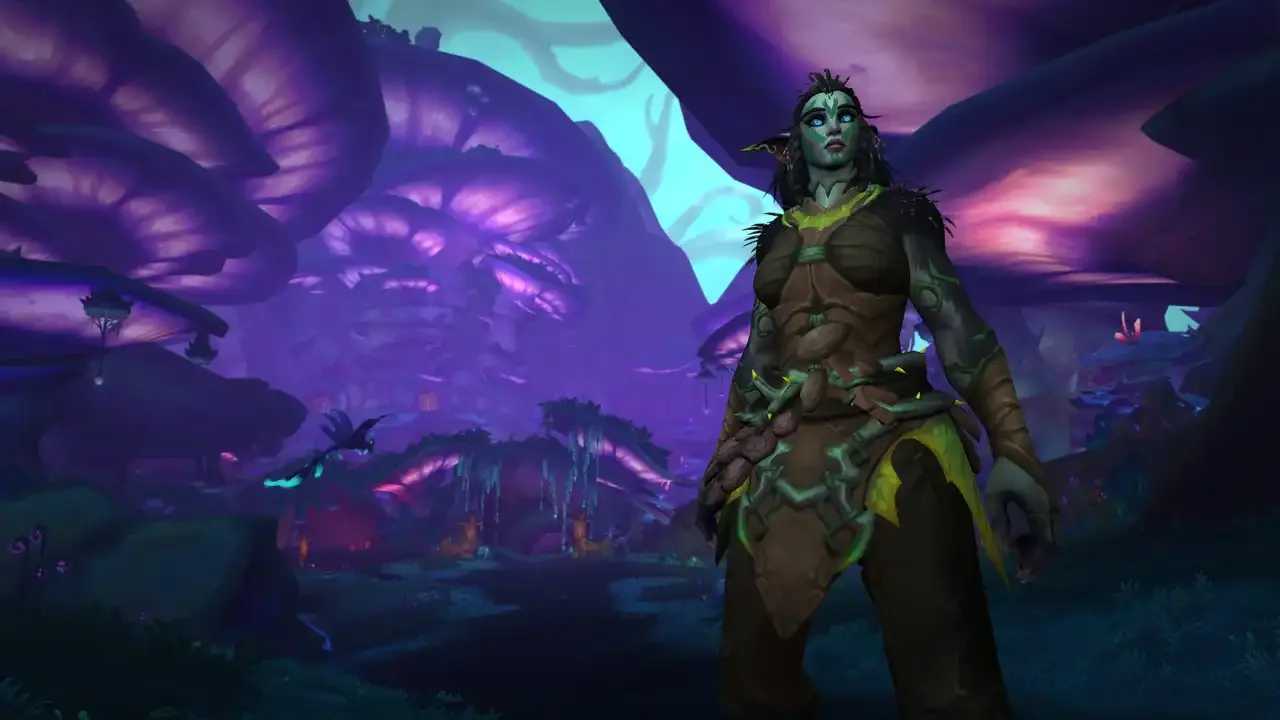
The reason we see Cthulhu everywhere, from the “Old Gods” of World of Warcraft to the tentacled knowledge-seeker Hermaeus Mora in The Elder Scrolls, is that Lovecraft’s work is in the public domain. No one “owns” Cthulhu. This has allowed the Mythos to become a shared sandbox. Much like a digital folk legend, developers can take these themes of insignificance and forbidden knowledge and dress them in any outfit they choose.
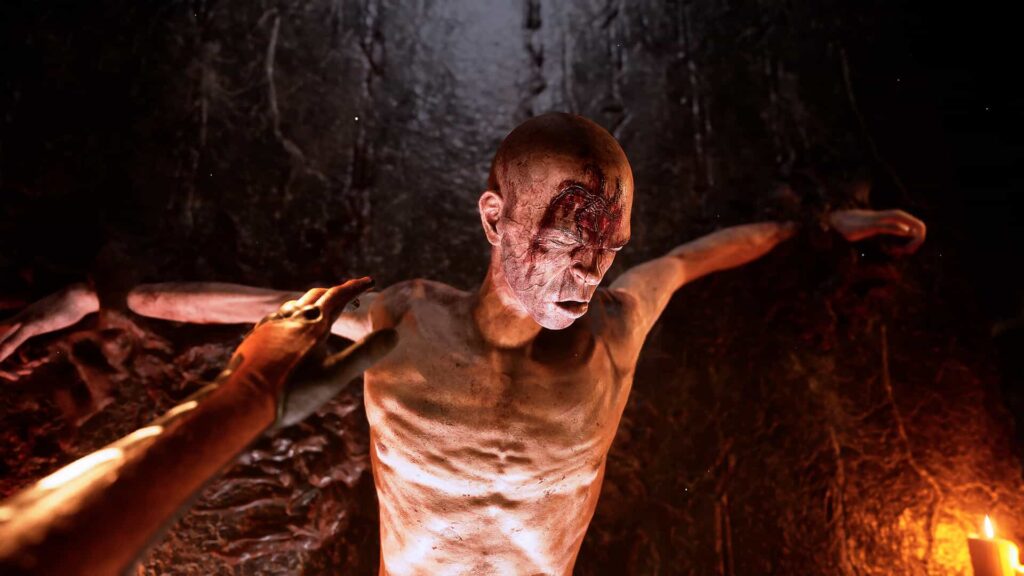
The Cosmic Abyss takes place in the year 2053. You play as Noah, an agent for the “Ancile” division specializing in occult affairs. You are sent to a high-tech mining station at the bottom of the Pacific Ocean after a research team from the “Ocean-I” corporation goes silent.
This setting is a masterstroke. By moving the story to the near future, the game explores “Corporate Horror.” It is a world of resource scarcity where humanity has been forced to dig into the deepest trenches of the Earth just to survive. But as the saying goes, “We dug too greedily and too deep.” Instead of a dusty library in 1920s Massachusetts, you are navigating non-Euclidean industrial corridors with the help of KEY, your AI companion. The contrast between sleek future tech and the rotting, cyclopean architecture of the sunken city of R’lyeh creates a specific kind of tension that feels fresh for the genre.
If you are looking for a first-person shooter where you blast Deep Ones with a shotgun, this is not it. The Cosmic Abyss leans heavily into the “investigative RPG” pedigree of Big Bad Wolf, the studio behind The Council and Vampire: The Masquerade – Swansong.
The game is a “Policy of Non-Confrontation” experience. This means your primary weapons are your observation skills, your ability to solve complex environmental puzzles, and your deduction. The “Vault” system allows you to piece together clues to form conclusions. Be warned, however, that the more you understand about the abyss, the less you understand about yourself.
To survive the depths of 2053, you’ll need to understand the language of the Great Old Ones. Here are the essential terms you’ll likely encounter in The Cosmic Abyss:
R’lyeh: The “Nightmare Corpse-City.” In the game, this is the sunken megalithic prison where Cthulhu is held. Its architecture is famously “non-Euclidean,” meaning its geometry doesn’t follow the laws of physics; straight lines look curved, and up can sometimes feel like down.
The Great Old Ones: Ancient, god-like beings from the stars who ruled the Earth eons before humanity. Cthulhu is their high priest.
Cosmic Horror: A subgenre of horror that emphasizes the insignificance of humanity compared to the vast, uncaring mysteries of the universe.
“Ph’nglui mglw’nafh Cthulhu R’lyeh wgah’nagl fhtagn”: The most famous chant in the Mythos. It translates to: “In his house at R’lyeh, dead Cthulhu waits dreaming.”
Eldritch: A word often used to describe things that are eerie, weird, or “otherworldly” in a way that defies human understanding.
The Necronomicon: A fictional grimoire (book of magic) often referenced in Lovecraft’s works. While the game focuses on tech, you can expect “Ocean-I” to have found digital fragments of this forbidden knowledge.
Cthulhu: The Cosmic Abyss looks to be a methodical, atmospheric, and deeply psychological experience. It respects the literary roots of Lovecraft, where the “detective” is usually a victim of their own curiosity.
For fans of narrative-heavy games like SOMA or the environmental storytelling of Resident Evil, this is a must-play. We will find out on April 16 if we have the stomach for the depths, or if the Cosmic Abyss is a journey from which no mind returns intact.