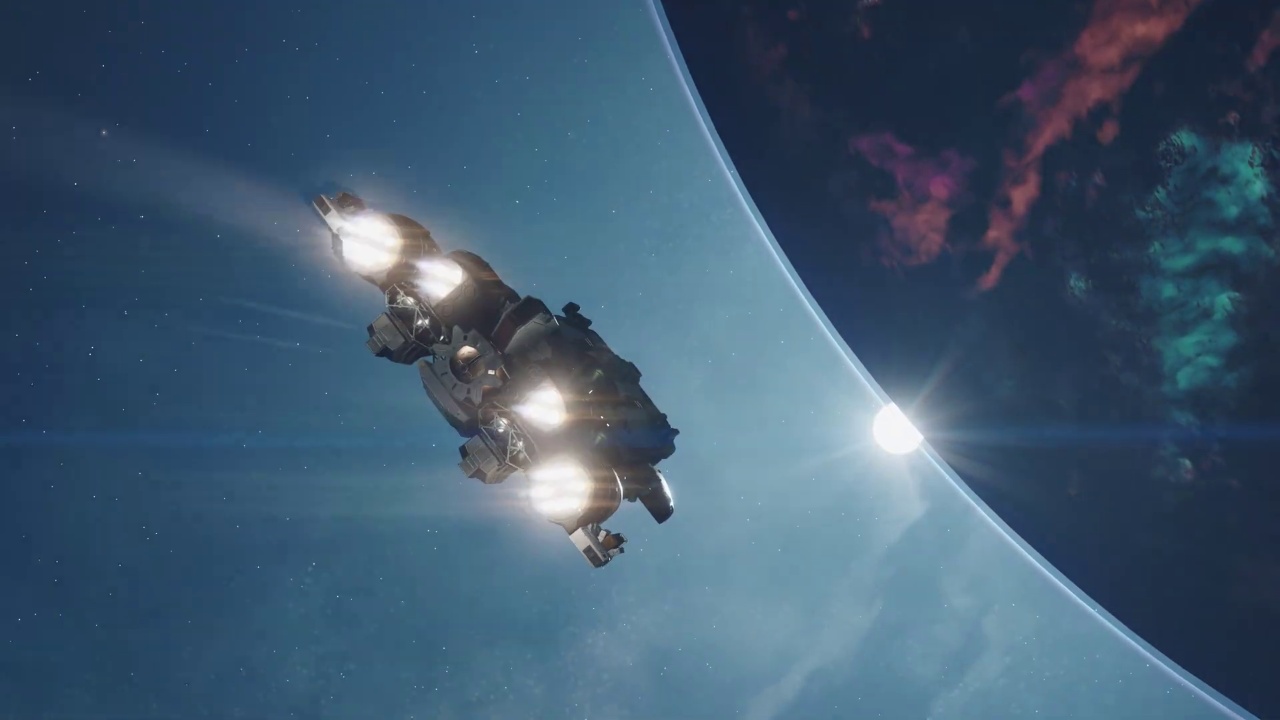
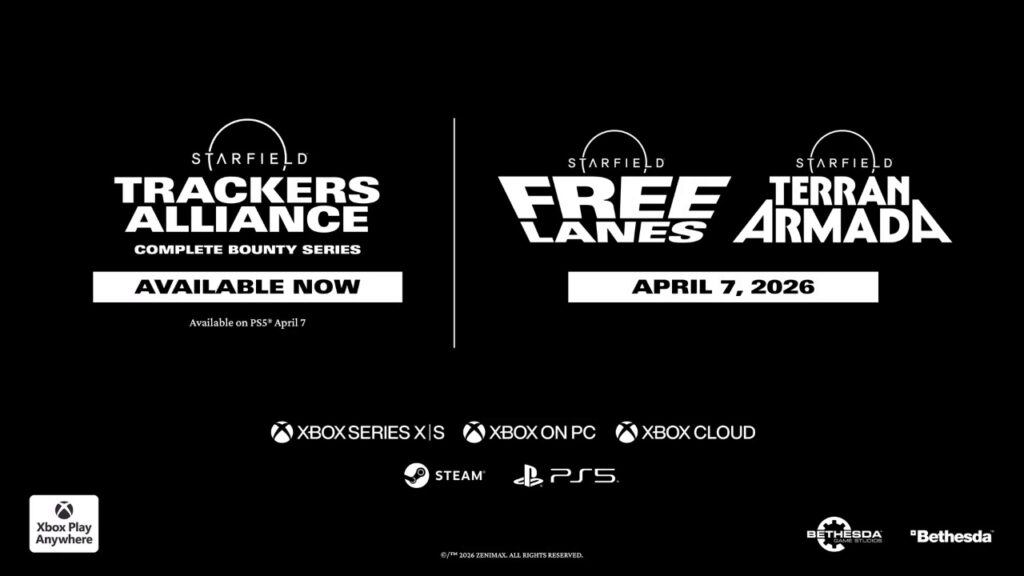
With the April 7 launch of the "Free Lanes" update, Bethesda is trying to fix the gap between fast-travel and the space flight players wanted since launch. By adding manual "Cruise Mode" flight and dynamic spawning, the update makes Starfield feel more like a continuous experience while working within the technical limits of the engine.

For a game centered on the vastness of the stars, the biggest barrier in Starfield at launch was the distance between them. The game was built on a series of menus and fast-travel triggers that made space feel like a collection of isolated rooms rather than a connected universe. With the release of the Free Lanes update on April 7, 2026, Bethesda is finally addressing this fragmented reality by introducing Cruise Mode. This feature does not just add a new speed setting. It changes the fundamental way players interact with the star systems they inhabit.
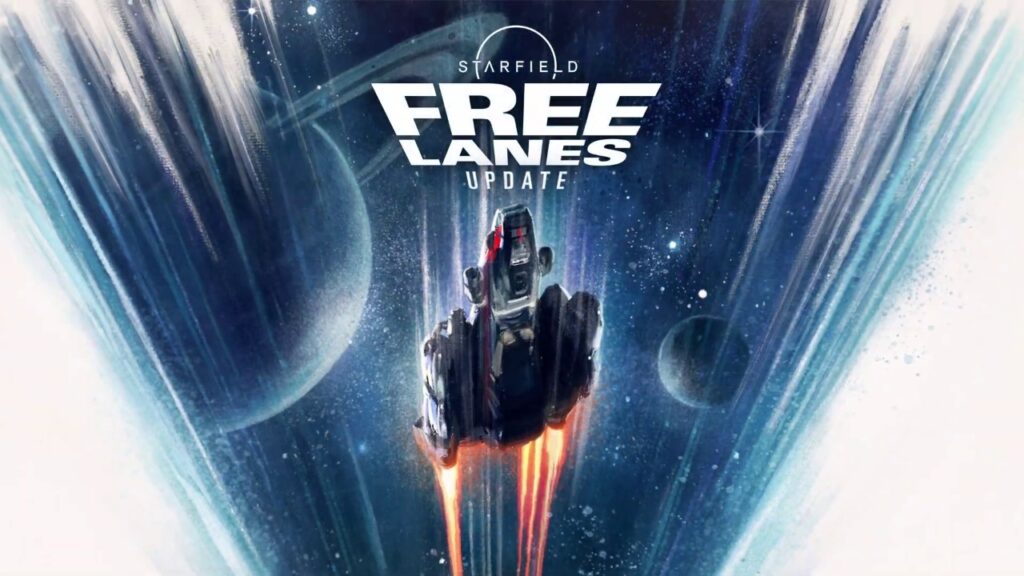
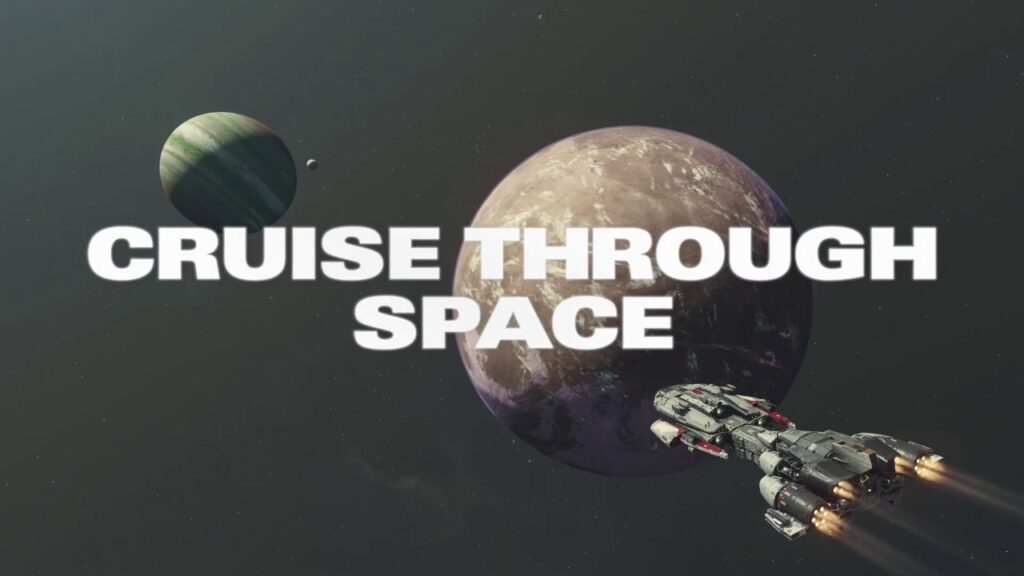
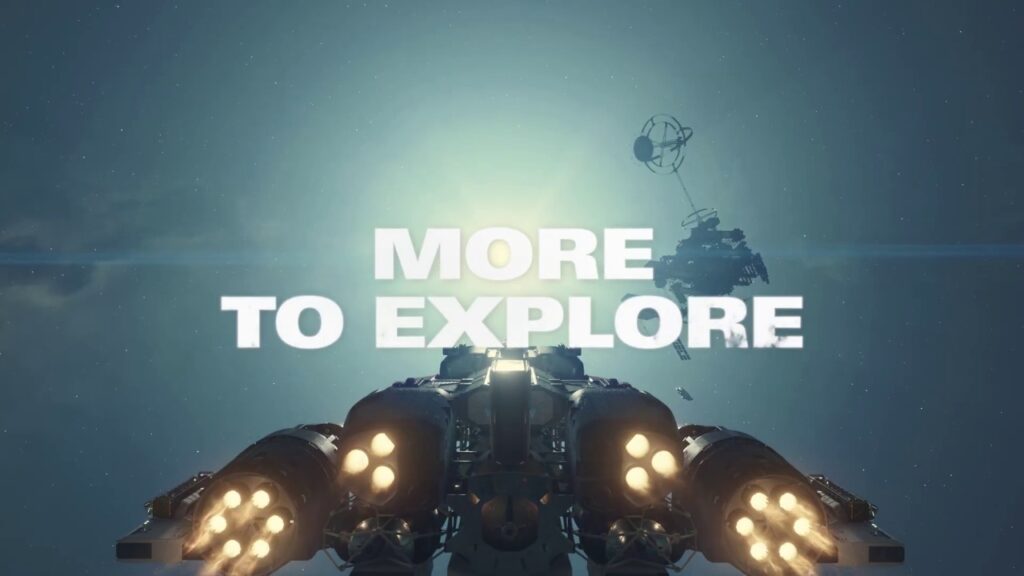
The core of the Free Lanes update is Cruise Mode. Previously, if you wanted to go from a planet to its moon or to another planet within the same system, you had to open your map, select the destination, and sit through a loading animation. Cruise Mode replaces this loop with high-velocity manual flight.
Once you point your ship toward a distant marker and engage the cruise engines, your ship accelerates to interplanetary speeds. What makes this significant is that the game remains fully active. You are no longer locked into a loading state. You can get up from the pilot seat, walk around your ship, customize your interiors, or chat with your crew while the distance to your destination counts down in real time. It turns the transit time into a period of ship management and roleplay instead of a pause in the action.
The concept of manual interplanetary travel isn’t a new idea for Starfield. Modders previously created tools like Astrogate to let players fly between planets at high speeds. However, those mods had to work around the game’s original code. In the launch version, entering a system loaded the whole area as one “cell,” but the game used travel animations to trigger scripts that spawned NPCs and random encounters.
Flying manually with mods often meant flying through empty space because the game didn’t know to spawn anything without the fast-travel trigger. Bethesda’s official Cruise Mode fixes this by building the spawning logic directly into the flight. As you get close to a moon or planet, the game now populates the area with traffic and enemies automatically.
Despite being advertised as a game about the “grandeur of exploration,” Starfield suffered from a lack of actual exploration at launch. The issue was not that the planets were small, but that the game made it far too convenient to skip the world entirely. Fast-travel was not just an option; it was the primary way to play. When manual travel has no mechanical value, the player loses the sense of scale that a space game requires.
The frequent loading screens added to this problem. While Starfield is a modern title that requires an SSD, and loading times are often only three to four seconds, the frequency of these transitions created a negative user experience. We have seen games like Red Dead Redemption 2 and the expectations for GTA 6 push the boundaries of seamless open worlds. Having to transition into a new cell for every minor move feels outdated. Players want to go in and out of locations seamlessly, and being stopped by a loading screen, no matter how fast it is, breaks the immersion that Bethesda usually excels at.
If you want to read more about the update in general and the specific narrative threats coming to the Settled Systems, you should check out our other article: New Starfield DLC Feels Like The “No Man’s Sky Treatment”
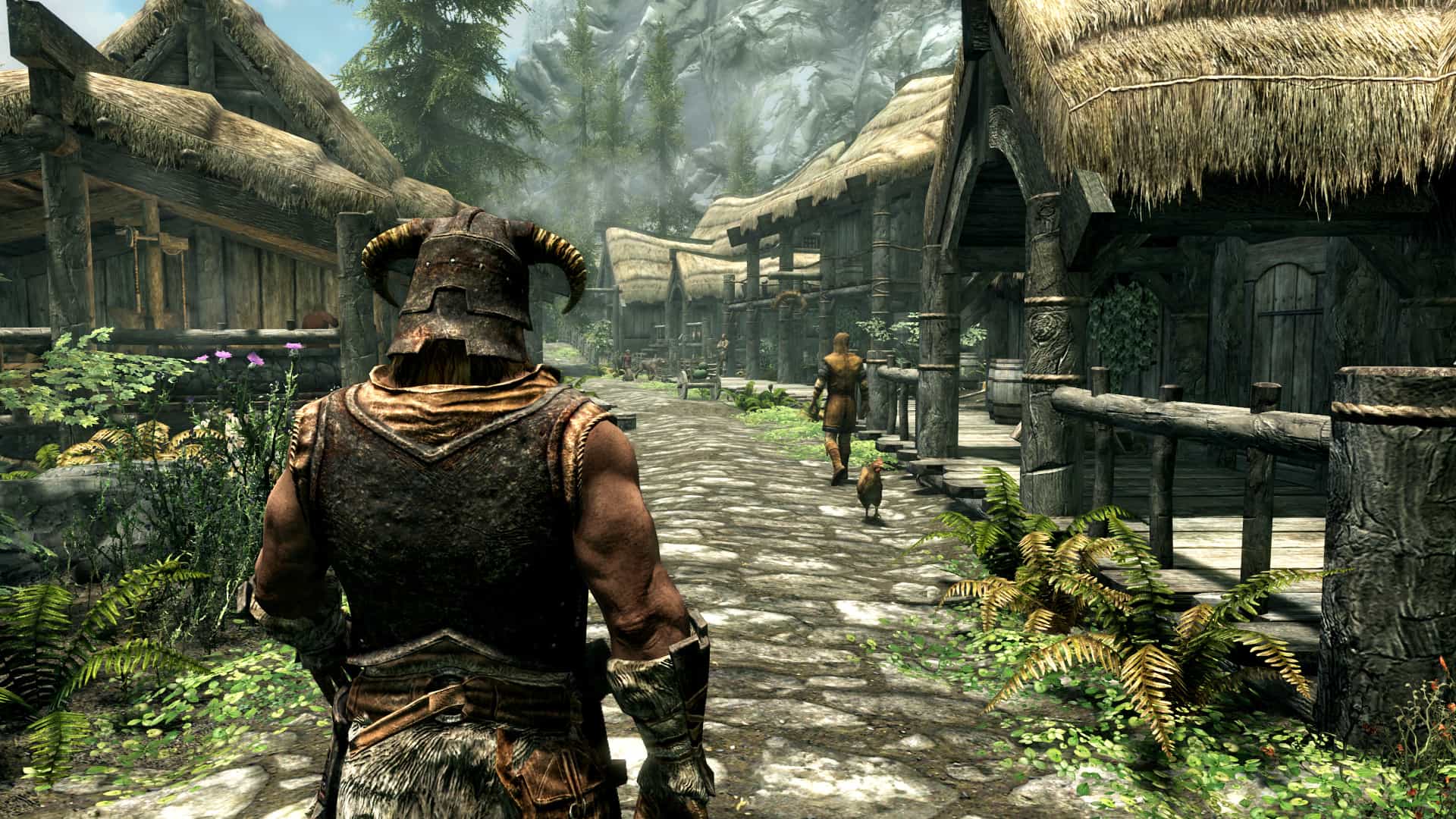
A common theory for these technical choices is that Bethesda continues to recycle the same core game engine. While the Creation Engine 2 has seen massive upgrades, the “cell-based” design philosophy remains. This is understandable to a degree, as this engine is what allows Bethesda games to be so uniquely moddable. The game engine is effectively a sandbox that the community can improve beyond the initial vision of the developers.
In many ways, the modding community serves as a safety net. We have seen modders fix UI issues, add survival mechanics, and even attempt to bridge the loading screen gaps with tools like Astrogate long before Bethesda released an official fix. While it is good that the game is so flexible, it is a double-edged sword. Relying on modders to “finish” the exploration loop suggests that the base game was missing its most important ingredient at launch.
The addition of Cruise Mode is a welcome improvement. As bethesda fan who loves Starfield, I still understand that there are areas where players want more. This is perfectly valid. We have a very high standard for Bethesda because they have released amazing games in the past.
With this update, Bethesda has shown that they are willing to listen and apply feedback from the community. While the game still has room to grow, this is a welcome sight. It shows that the studio values the input of its players. My hope is that the lessons Bethesda learned from the Starfield community do not stop here. We should expect these improvements in the design of Fallout 5 and The Elder Scrolls VI. If the studio continues to prioritize this kind of feedback and technical evolution, the future of their RPGs looks much stronger.